Modern financial technology continues to transform how people shop, transfer funds, and manage purchases in daily life. QRPh payment systems are becoming a major part of this transformation by allowing users to complete secure transactions without carrying physical cards or cash.
As digital credit services and fintech solutions continue to expand, cardless payment methods are giving consumers a faster, more flexible, and highly convenient way to handle financial activities. From grocery stores and online shopping to transportation and utility payments, QR-based systems are simplifying the payment experience for millions of users.
What Is QRPh Payment and Why Is It Becoming Popular?
QRPh payment refers to a unified QR-based payment system that allows consumers to make transactions by simply scanning a code through a mobile device. Instead of relying on debit cards, credit cards, or cash, users can complete purchases directly through supported digital wallets or financial apps.
The growing popularity of QRPh payment systems comes from their simplicity and accessibility. Consumers no longer need to carry multiple cards or wait for physical banking tools to complete transactions.
Several factors are driving this adoption:
- Faster payment processing at retail stores
- Reduced dependency on physical wallets
- Improved convenience for online and offline shopping
- Better integration with digital credit platforms
- Increased accessibility for mobile-first users
- Support for small businesses and independent merchants
- Contactless payment experience for safer transactions
Many fintech solutions now integrate QR technology directly into their applications, making it easier for users to pay bills, buy products, and transfer funds using only their smartphones.
How Cardless Payment Systems Work
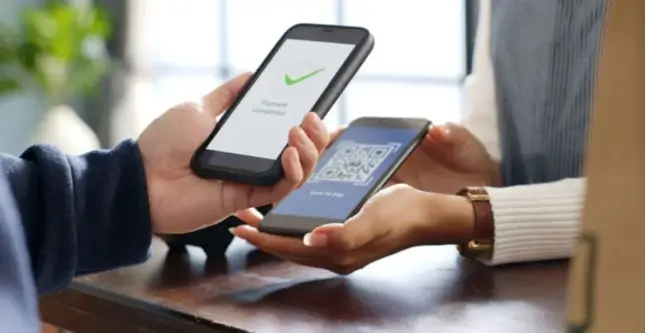
Cardless payment technology is designed to remove friction from everyday financial activities. Instead of swiping or inserting a physical card, users simply open a compatible application, scan a merchant QR code, and confirm the transaction.
The process is typically very straightforward:
Step 1: Open a Payment App
Users access a fintech app or digital wallet linked to their account balance or digital credit line.
Step 2: Scan the QR Code
The merchant displays a QR code that contains payment details. The user scans the code using their smartphone camera.
Step 3: Confirm the Transaction
The app displays the payment amount and merchant information. Users verify the details before authorizing the transaction.
Step 4: Instant Processing
Once approved, the payment is processed digitally within seconds.
This smooth experience explains why many consumers prefer QRPh payment systems over traditional card-based transactions.
Why Digital Credit Is Expanding Alongside QR Payments
Digital credit services are becoming closely connected with QR-based payment systems. Instead of requiring traditional banking procedures, fintech platforms now offer flexible credit access directly inside mobile applications.
This combination creates a seamless financial ecosystem where users can:
- Access short-term purchasing power
- Split payments into manageable installments
- Complete transactions instantly through QR scanning
- Shop online and in physical stores without physical cards
- Monitor spending directly from mobile dashboards
- Handle emergency expenses more efficiently
- Maintain better control over repayment schedules
Digital credit integration also benefits younger consumers who prefer mobile-first financial services over traditional banking methods.
Because of this convenience, fintech solutions continue to invest heavily in mobile credit technology and cardless transaction systems.
Key Benefits of QRPh Payment for Consumers
QR-based payment technology offers several practical advantages that appeal to both regular shoppers and business owners.
Faster Checkout Experience
Consumers no longer need to wait for card approvals, count cash, or enter lengthy payment information. Scanning a QR code often takes only a few seconds.
Reduced Need for Physical Wallets
A smartphone can now function as a complete payment tool. Users can manage purchases, bills, and transfers from one application.
Better Financial Tracking
Most fintech apps automatically record transactions, helping users monitor spending habits more effectively.
Wider Accessibility
Digital payment systems are often easier to access than traditional credit cards, especially for users who primarily rely on mobile technology.
Enhanced Flexibility
Consumers can combine QRPh payment systems with digital credit features, creating more flexible purchasing options during emergencies or planned expenses.
The Role of Fintech Solutions in Modern Payments
Fintech solutions are the driving force behind the rapid growth of QR-based payment technology. Financial technology companies are continuously developing tools that improve payment speed, accessibility, and user convenience.
These platforms often combine several services into one mobile application, including:
- Digital credit management
- QR-based payments
- Bill payment tools
- Virtual account features
- Peer-to-peer money transfers
- Spending analytics
- Security monitoring systems
This all-in-one structure helps users avoid juggling multiple financial platforms.
Fintech innovation also supports businesses by simplifying transaction handling and lowering the need for expensive payment hardware.
Security Features Behind QRPh Payment Systems
Security remains one of the most important priorities for digital payment platforms. Users naturally want reassurance that their funds and information are protected during transactions.
Modern QRPh payment systems commonly include several layers of protection:
- Encrypted transaction processing
- Secure login authentication
- One-time verification codes
- Device verification systems
- Fraud monitoring tools
- Real-time transaction notifications
- Biometric login options such as fingerprint or facial recognition
These security measures help reduce unauthorized access while improving user confidence in digital financial services.
Consumers can also strengthen their protection by following responsible digital payment habits.
See also: Excursion Bus Singapore Schools: Safe and Comfortable Student Transportation
Helpful Safety Tips for Users
- Avoid scanning QR codes from unknown sources
- Enable app security features
- Regularly update fintech applications
- Monitor transaction history frequently
- Use strong passwords and biometric authentication
- Never share verification codes with others
Responsible usage is essential for maintaining a safe and reliable digital payment experience.
How Businesses Benefit From Cardless Payment Technology
Businesses are also experiencing major advantages from adopting QR-based payment systems.
Traditional card terminals can sometimes be expensive or difficult to maintain for smaller merchants. QR payment systems provide a simpler and more affordable alternative.
Some major business benefits include:
- Faster customer service
- Lower operational costs
- Easier transaction management
- Improved customer convenience
- Reduced cash-handling risks
- Support for contactless payments
- Better compatibility with mobile-first consumers
Small businesses, food vendors, retail stores, and online sellers increasingly rely on QR payment technology because of its flexibility and ease of implementation.
The Growing Shift Toward Cashless Transactions
Around the world, consumers are gradually shifting toward cashless lifestyles. Smartphones have become essential tools for communication, shopping, entertainment, and now financial management.
QRPh payment systems fit naturally into this digital transformation because they simplify transactions while supporting modern mobile habits.
Several trends are contributing to this shift:
Increasing Smartphone Usage
More consumers now use mobile devices for banking, shopping, and financial management.
Demand for Faster Transactions
People prefer payment methods that reduce waiting time and improve convenience.
Expansion of Digital Commerce
Online shopping and app-based services continue to increase demand for flexible digital payments.
Contactless Payment Preferences
Many consumers now prioritize touch-free transaction methods for added convenience and hygiene.
As fintech solutions evolve further, QR-based systems are expected to become even more integrated into everyday activities.
Challenges That Still Exist in Digital Payment Adoption
Despite the many benefits, QR payment technology still faces certain challenges.
Internet access limitations can affect transaction reliability in some areas. Additionally, some users remain unfamiliar with digital financial tools and may require more education before fully adopting these systems.
Other challenges may include:
- Limited smartphone access in some communities
- Concerns about cybersecurity risks
- Learning curves for first-time users
- Dependence on mobile device battery life
- Merchant adoption differences across regions
However, ongoing fintech innovation continues to address these issues through better infrastructure, stronger security systems, and improved user education.
The Future of QRPh Payment and Digital Credit
The future of QRPh payment technology appears highly promising as digital finance becomes increasingly integrated into daily life.
Consumers now expect payment experiences that are fast, secure, and accessible from anywhere. Fintech companies continue developing smarter solutions that combine digital credit, mobile payments, and financial management into one seamless ecosystem.
Future developments may include:
- More advanced AI-powered fraud detection
- Faster real-time payment approvals
- Wider merchant acceptance worldwide
- Improved integration with virtual banking services
- Enhanced cross-border payment support
- Smarter budgeting and spending tools
- Expanded digital credit accessibility
As technology continues evolving, cardless payment systems will likely become one of the standard methods for managing personal and commercial transactions.
A Smarter Way to Experience Modern Transactions
QRPh payment technology is changing how consumers interact with money in everyday situations. By combining digital credit access, secure fintech solutions, and convenient cardless payment systems, users can complete transactions more efficiently than ever before.
From simplifying retail purchases to supporting flexible financial management, QR-based payments continue to shape the future of modern commerce. As more businesses and consumers embrace digital finance, QRPh payment systems are expected to play an even larger role in creating fast, secure, and accessible transaction experiences for everyone.