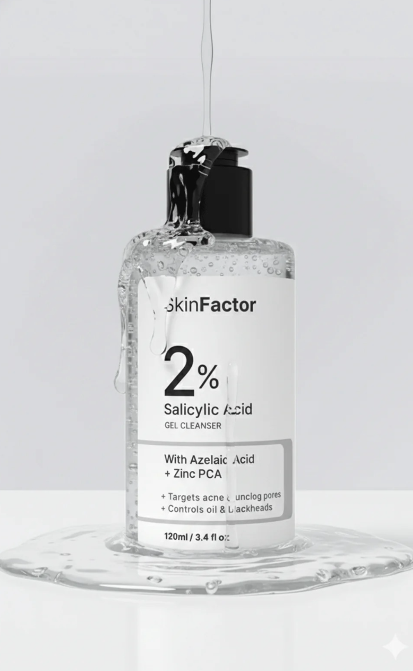
Oily and acne-prone skin present a unique set of challenges. Excess sebum production, enlarged pores, frequent breakouts, and a shiny complexion by midday are all frustrations that people with this skin type know well. Choosing the right cleanser is often the first and most important step in managing these concerns, and this is exactly where Salicylic Acid Cleanser earns its reputation as a staple product. This article breaks down why this type of cleanser deserves a place in your skincare routine, how it addresses the specific needs of oily and acne-prone skin, and what to keep in mind for the best results.
The Unique Struggles of Oily and Acne-Prone Skin
People with oily skin produce more sebum than average, which is largely driven by genetics, hormones, and sometimes diet or stress levels. While sebum isn’t inherently bad—it helps protect and hydrate the skin—an overproduction can lead to a cascade of issues:
Clogged pores: Excess oil mixes with dead skin cells and dirt, blocking pores and forming blackheads or whiteheads.
Increased breakouts: Clogged pores create an environment where acne-causing bacteria can thrive.
Persistent shine: Oily skin often looks greasy, particularly in the T-zone, which can be a cosmetic concern for many.
Larger-looking pores: Excess oil and buildup can stretch pores over time, making them more visible.
Standard cleansers, especially those designed for dry or normal skin, often aren’t equipped to handle these issues. This is where a targeted, active-ingredient cleanser becomes essential.
Why Salicylic Acid Is the Right Ingredient for This Skin Type
Salicylic acid is a beta-hydroxy acid (BHA) that stands apart from other exfoliating acids because of its oil-soluble nature. This property allows it to travel through the oily environment of the pore, rather than just sitting on the surface of the skin. For oily and acne-prone skin specifically, this means:
It clears from within the pore, not just on top of the skin, addressing the root of many breakouts.
It regulates oil buildup by breaking down excess sebum that would otherwise contribute to congestion.
It has natural anti-inflammatory properties, which can help calm the redness and irritation that often accompanies active acne.
It supports smoother skin texture over time by encouraging gentle, regular exfoliation.
This is why dermatologists frequently recommend salicylic acid as a core ingredient for anyone managing oily or acne-prone skin, and why a well-formulated cleanser featuring it, like Skin Factor’s, can make a noticeable difference in a daily routine.
What Makes Skin Factor’s Formulation Stand Out
Not all salicylic acid cleansers are created equal. The concentration of the acid, the supporting ingredients, and the overall pH balance all affect how well a product performs and how comfortable it feels on the skin. Skin Factor Salicylic Acid Cleanser is generally formulated with these considerations in mind:
Balanced salicylic acid concentration, typically enough to be effective without being overly harsh for daily use
Complementary soothing ingredients to offset potential dryness or irritation
A gentle, non-stripping base that cleanses without disrupting the skin’s natural barrier
Non-comedogenic formulation, ensuring the product itself won’t contribute to further clogged pores
This balance is important because overly aggressive acne products can backfire—stripping the skin of moisture can actually trigger it to produce even more oil to compensate, worsening the very problem you’re trying to solve.
Building a Routine Around This Cleanser
To get the most benefit from a salicylic acid cleanser, it helps to think of it as one part of a broader routine rather than a stand-alone fix:
Cleanse: Use the cleanser once daily to start, ideally in the evening after a day of oil, sweat, and environmental buildup.
Tone (optional): A lightweight, alcohol-free toner can help remove any residual impurities.
Treat: If needed, follow with a targeted treatment for active breakouts, such as a spot treatment recommended by a dermatologist.
Moisturize: Even oily skin needs hydration—choose a lightweight, oil-free, non-comedogenic moisturizer to maintain balance.
Protect: Apply a broad-spectrum sunscreen every morning, particularly important since exfoliating acids can increase photosensitivity.
Consistency is key. Many people expect overnight results, but visible improvements in texture, breakouts, and oiliness typically take several weeks of regular use, as this aligns with the skin’s natural cell turnover cycle.
A Few Precautions to Keep in Mind
While salicylic acid is well-tolerated by most people with oily and acne-prone skin, a few precautions can help you avoid unnecessary irritation:
Patch test first if you’re using the product for the first time, particularly if you have sensitive skin.
Avoid layering too many active ingredients at once, such as combining salicylic acid with retinoids or other acids, which can increase the risk of irritation.
Don’t over-cleanse: Using the product more than the recommended frequency won’t speed up results and may instead compromise your skin barrier.
Consult a dermatologist if you have moderate to severe acne, as a cleanser alone is unlikely to be sufficient for more serious cases.
See also: What Happens When You Buy Term Paper Online from Qualified Essay Experts
Final Thoughts
For those dealing with oily skin and recurring breakouts, a cleanser built around salicylic acid isn’t just a nice-to-have—it addresses the underlying mechanics of why pores clog and why acne forms in the first place. Skin Factor Salicylic Acid Cleanser offers a formulation designed to target these concerns while being mindful of the skin’s need for balance and hydration.
That said, skincare is not one-size-fits-all. Results depend on consistent use, a supportive overall routine, and realistic expectations about timelines. For persistent or severe acne, pairing this cleanser with professional dermatological guidance will generally provide the most reliable path to clearer, healthier skin.