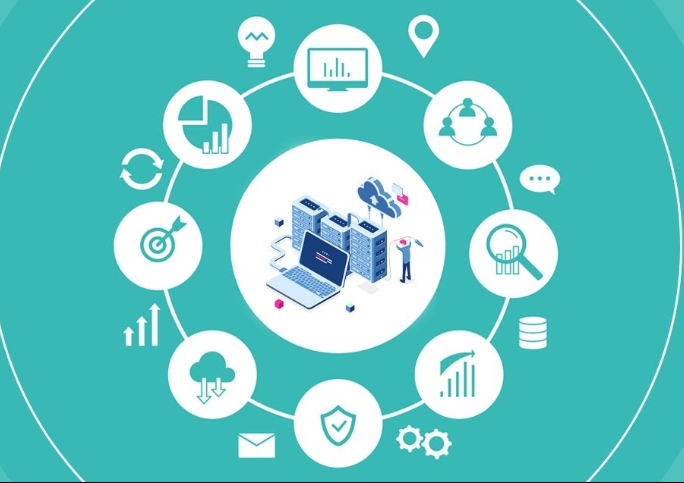
Big data analytics profoundly influences organizational dynamics. It enhances decision-making through refined strategies and predictive insights. Moreover, it fosters improved customer experiences by enabling personalized interactions. Operational efficiency sees notable gains as processes are optimized, leading to cost reductions. Additionally, this analytical approach drives innovation and provides a competitive edge. As businesses navigate these transformative benefits, the implications for long-term growth and adaptability merit further exploration. What lies beneath these advantages?
Enhanced Decision-Making Processes
As organizations increasingly harness the power of big data analytics, they find that enhanced decision-making processes emerge as a significant advantage.
By leveraging data-driven insights, companies can refine strategies and optimize resources. Predictive modeling further empowers leaders to forecast trends and anticipate market shifts, enabling proactive rather than reactive choices.
This data-centric approach fosters agility and promotes a culture of informed decision-making throughout the organization.
See also: pragmatichoki22com
Improved Customer Experiences
Organizations that adopt big data analytics not only enhance their decision-making capabilities but also significantly improve customer experiences.
By leveraging customer segmentation, businesses can identify distinct market segments, enabling personalized marketing strategies tailored to individual preferences. This targeted approach fosters deeper connections with customers, leading to increased satisfaction and loyalty.
Ultimately, the use of big data analytics empowers organizations to meet and exceed customer expectations effectively.
Operational Efficiency and Cost Reduction
A significant advantage of implementing big data analytics lies in its ability to enhance operational efficiency and drive cost reduction across various sectors.
By facilitating process optimization, organizations can streamline workflows and reduce waste.
Furthermore, improved resource allocation enables businesses to deploy assets more effectively, minimizing unnecessary expenditures while maximizing output.
This strategic approach ultimately fosters a sustainable environment for growth and profitability.
Driving Innovation and Competitive Advantage
Harnessing the power of big data analytics not only improves operational efficiency but also serves as a catalyst for innovation and competitive advantage.
Organizations leveraging data-driven innovation can identify emerging trends, enabling effective market differentiation.
Conclusion
In conclusion, big data analytics serves as a cornerstone for organizations aiming to thrive in a dynamic market. By enhancing decision-making processes, improving customer experiences, and optimizing operational efficiency, it provides a comprehensive framework for growth. Furthermore, the ability to drive innovation and maintain a competitive edge illustrates that in the world of business, knowledge is power. As companies harness the potential of big data, they position themselves to not just survive, but flourish amidst uncertainty.