SHTF is a term gaining traction, especially among those keen on preparedness. Understanding what it implies is crucial for households focused on resilience and security. Knowing its implications can turn vague threats into actionable plans. This guide dives into the heart of SHTF, explaining its nuances and offering practical advice for everyday readiness. Recognizing SHTF scenarios prepares families to face uncertainties, ensuring their safety and well-being. This guide will provide the necessary context and steps to convert potential chaos into manageable situations, highlighting the key areas to focus on to safeguard loved ones and maintain a semblance of normalcy during disruptions.
What Does SHTF Mean?
The Definition and Real-World Context
“SHTF” stands for “Shit Hits The Fan,” and understanding the shtf meaning helps explain why the phrase is used to describe catastrophic events that disrupt normal life. Often, it’s associated with situations causing widespread chaos, uncertainty, or serious challenges. While dramatic, it encapsulates moments when resources become scarce and routine operations falter unexpectedly. Recognizing SHTF implications helps individuals gauge potential threats and prepare efficiently in advance. Preparedness translates these abstract scenarios into tangible plans and practical survival strategies. Understanding SHTF allows families to anticipate challenges before they arise, turning forethought into a strong and proactive frontline defense.
Why the Term Matters for Families
SHTF is significant for families because it underscores the importance of readiness. Natural disasters, power outages, or supply chain disruptions can suddenly impact daily life. Awareness and preparation empower families to act swiftly, ensuring their safety during crises. By grasping SHTF, families avoid overwhelming panic, replacing it with informed actions and decision-making. This understanding cultivates resilience and security, enabling families to maintain stability even when confronted with unforeseen events and challenges.
Common SHTF Scenarios
Natural Disasters and Severe Weather
Natural disasters include events such as hurricanes, earthquakes, and tornadoes that hit regions with little warning, causing substantial damage and disruption. These scenarios displace families, halt services, and require immediate action. Preparedness involves understanding local risks and having evacuation plans and supplies ready. Early preparation mitigates these challenges, ensuring safety during unstable weather conditions.
Power Outages and Grid Failures
Power cuts and grid failures disrupt routines, affecting lights, communication devices, and appliances. These can stem from natural or technical issues, leading to prolonged blackouts. With backup systems like generators or solar panels, households maintain essential functions, reducing dependency on strained public grids. Forward-planning lessens the impact of such events on daily life.
Economic or Supply Chain Disruptions
Economic downturns or breaks in the supply chain affect product availability and affordability. Essential goods such as food, fuel, and medication can become scarce or expensive. Families can stockpile non-perishable items and diversify resources to prepare, ensuring they withstand market fluctuations and shortages. Prudent strategy turns potential scarcity into manageable inconvenience.
Essential SHTF Preparedness Basics
Food, Water, and Medical Supplies
Hope for the best; prepare for the worst with well-stocked supplies over the long haul. Focus on non-perishable foods like canned goods, grains, and dried fruits. Ensure clean water access through storage or filtration systems. Maintain an up-to-date first aid kit with necessary medications. Consistently rotate these items, checking expiration dates and replenishing them as needed.
See also: The Silent Consultant: Leveraging Automated Insights for Small Business Growth
Backup Power and Portable Energy Solutions
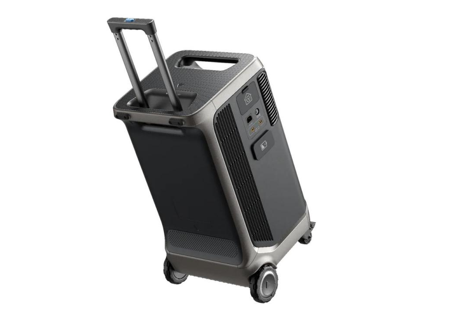
Invest in reliable backup systems to maintain power during grid failures. Options include portable generators or solar panels, which are practical solutions for short-term outages. Ensure familiarity with their operation and maintenance. Coupling batteries with devices like LED lanterns or battery-powered radios enhance functionality and safety, creating a self-sufficient environment during blackouts.
Communication and Safety Planning
Effective communication keeps families connected during crises. Utilize radios or satellite phones to stay informed and maintain contact. Pre-determine meeting points and establish signals or codes for various scenarios. Regular drills can reinforce these plans, ensuring they are second nature when needed. Solidifying these elements guarantees resilience in communication strategies.

How to Create a Simple SHTF Plan
Assess Risks and Set Priorities
Start by identifying potential threats specific to your region—be it earthquakes, floods, or civil unrest. Once these are clear, prioritize which areas require immediate attention. Evaluate current resources, identifying gaps in preparedness and addressing them methodically. Allocate time and budget efficiently, focusing on essential strategies that cater to your family’s unique needs.
Build and Maintain Your Emergency Kit
Create an emergency kit that includes crucial items like food, water, clothing, personal documents, and first aid provisions. Focus on portability, ensuring it’s accessible during emergency situations. Regularly check and update the kit to keep it current and complete. Achieving preparedness through methodical maintenance provides peace of mind and readiness when it counts.
Conclusion
SHTF scenarios, while unpredictable, don’t have to evoke fear. Preparedness transforms the unknown into something manageable. By grasping the significance of SHTF, families align themselves with proactive peace of mind and resilience. Investing in practical steps like bolstering supplies and communication plans will empower families to face disruptions confidently. This journey from understanding to action ensures that when the unexpected occurs, families aren’t caught off guard but stand ready, prepared, and capable of weathering any storm.